Table of Contents
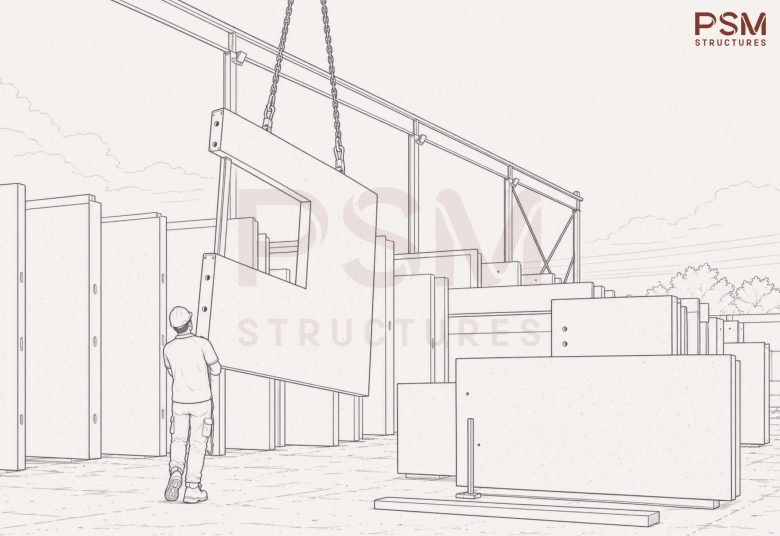
Precast concrete carries a reputation that has not kept up with the reality. Many of the assumptions builders and developers still hold about it were formed decades ago, or borrowed from a bad experience on a poorly detailed project, and they quietly steer decisions away from a system that would have served them better.
Beliefs are expensive when they are wrong, and in precast they cost time, money, and sometimes the whole schedule. Here are the precast concrete myths that most often cost Indian builders, and what the engineering actually says.
Common Precast Concrete Myths
Each belief below sounds reasonable, which is exactly why it survives. Each is also, on closer inspection, either outdated or a misreading of how precast is actually designed.
Myth 1: Precast Is Only for Large, Repetitive Projects
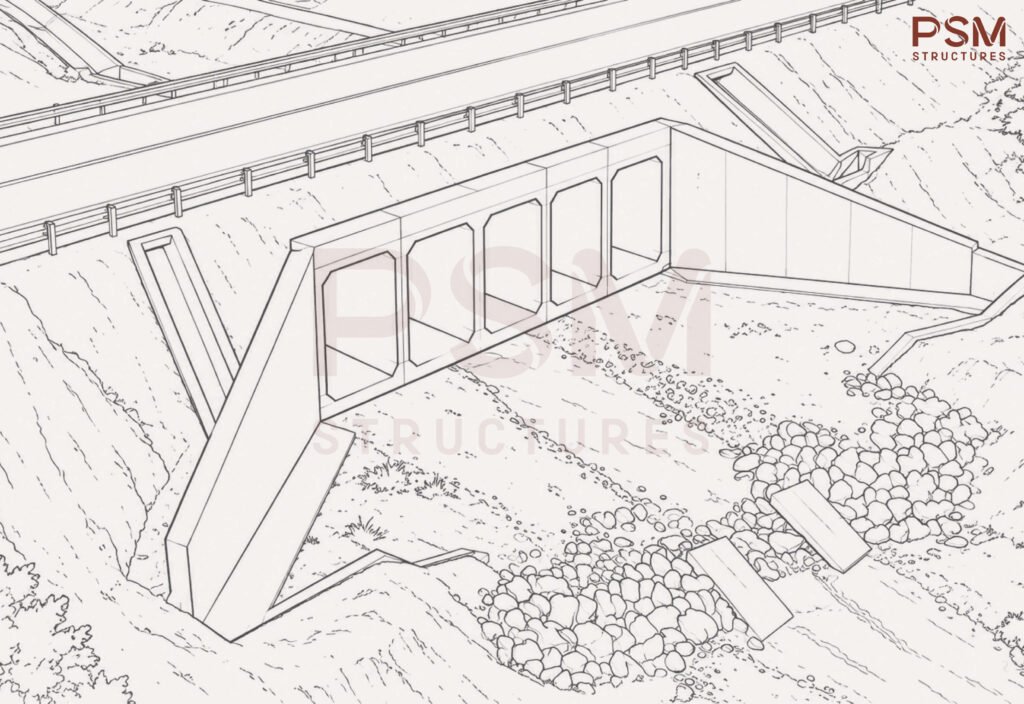
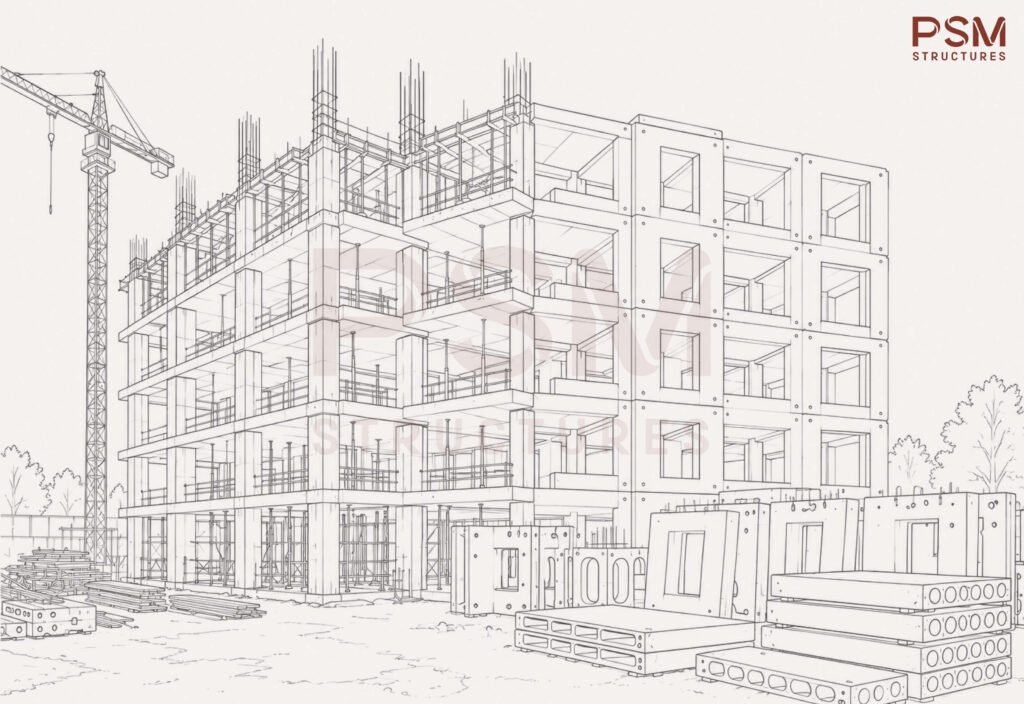
There is a grain of truth here, which is why the myth survives. Precast rewards repetition, because the same mould reused many times is where the economics turn strongly in its favor. But "rewards repetition" is not the same as "requires a skyscraper." Housing, warehouses, industrial sheds, parking structures, culverts, and boundary walls all carry enough repetition to benefit. The real question is not project size; it is how much sameness the design contains.
Myth 2: Precast Is Always More Expensive
This one usually comes from comparing the wrong number. Judged on the concrete alone, precast can look costlier. Judged on the whole project, the picture often reverses, because precast compresses the construction program, reduces site labor, cuts formwork and its waste, and brings factory quality that lowers rework. Faster completion also means earlier occupation, which has a real financial value a materials comparison ignores. We set out the wider case in benefits of precast construction.
Myth 3: Precast Looks Industrial and Limits Design
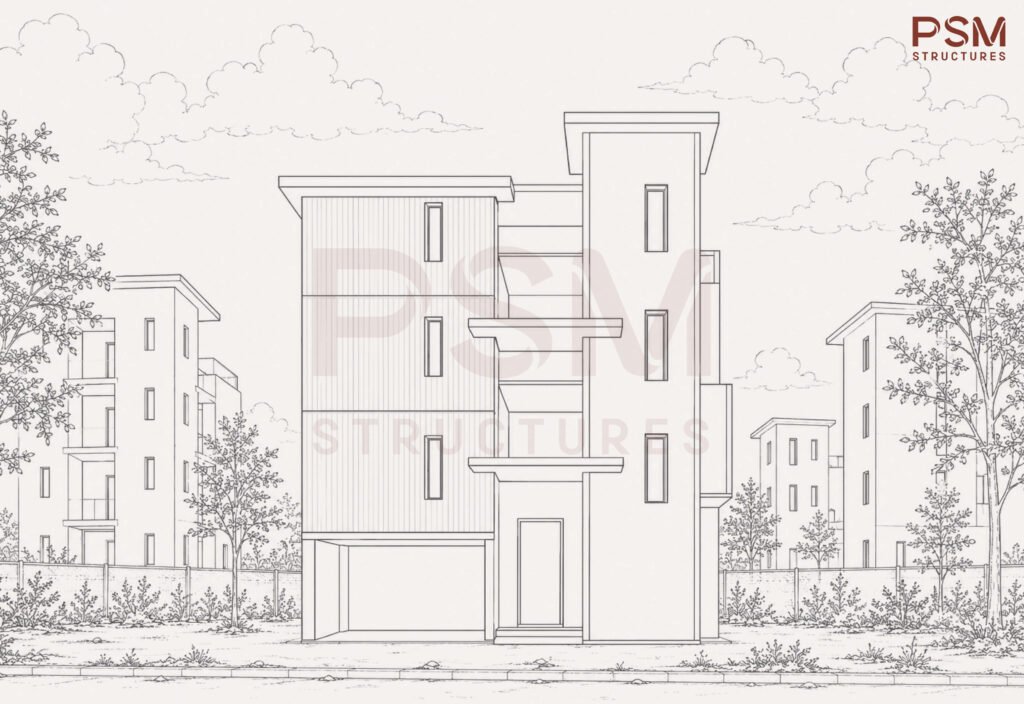
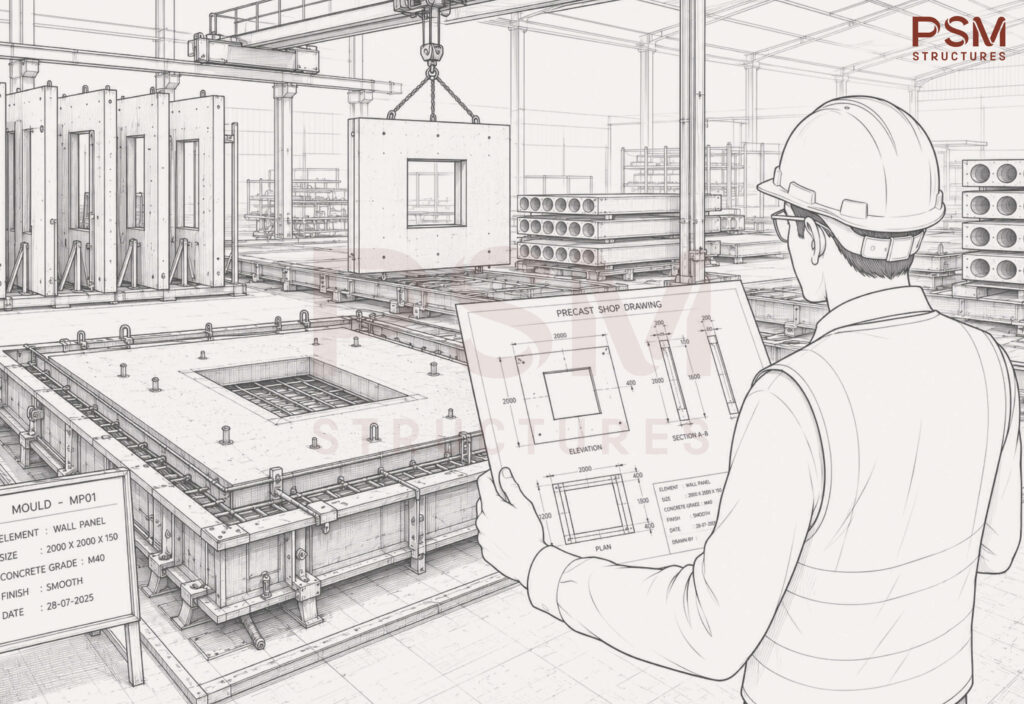
The image of gray, utilitarian panels is dated. Precast can be cast with a wide range of finishes, textures, colors, and profiles, because it is made in a mould under controlled conditions, which is exactly what makes fine surface control possible. Architectural precast is used precisely where a high-quality, consistent finish matters.
Myth 4: Precast Is Weak at the Joints, Especially in Earthquakes
This is the most important myth to correct, because it touches safety. A precast structure is assembled from parts, so the connections carry the burden. The answer is that connections are the heart of precast design, and when they are engineered and detailed to behave monolithically or as designed ductile systems, a precast structure performs to the same seismic standards as any other. Indian precast design works within the relevant codes, including the provisions for precast construction and seismic design, so the frame behaves as a considered whole. A joint fails when it is badly detailed, not because it is precast. We explain the fundamentals in what precast concrete is.
Myth 5: Precast Is Inflexible and Cannot Be Changed
Two worries hide here. During design, precast asks for decisions earlier than cast-in-situ, which can feel like rigidity but is really front-loaded planning, and it is what enables the speed later. In use, load-bearing panel systems do limit later structural changes, but skeletal frame systems are designed for column-free, adaptable layouts precisely so the space can change over time. Matching the system to how the building will be used answers this concern at the design stage.
| The myth | The reality |
|---|---|
| Only for large projects | Rewards repetition, not size; sheds, housing, culverts all qualify |
| Always more expensive | Often cheaper on total cost and time above the repetition crossover |
| Looks industrial | Cast in moulds, it achieves a wide range of finishes and profiles |
| Weak joints in earthquakes | Meets the same seismic standards when connections are detailed right |
| Inflexible | Skeletal frames give adaptable, column-free layouts |
Decision factor: Judge precast on the current engineering, not an inherited assumption. Every myth here removes a good option before it is properly evaluated.
Not sure whether precast is right for your project?
PSM Structures assesses it on the real engineering and the total cost, not on reputation.
Discuss Your Project →The costliest thing about these myths is that they work silently. A developer who "knows" precast is expensive never runs the comparison that would have proved otherwise. Test the belief against your own unit count and seismic zone, and the right answer usually appears.
Parv Modh
Want an honest read on whether precast suits your project?
Tell us the typology, the repetition, and the seismic zone, and we will assess it on the engineering.
Discuss Your Project →Frequently Asked Questions
No. Precast rewards repetition rather than size. Housing, sheds, warehouses, parking, culverts, and boundary walls can all suit it. The real question is how much repeatable, standardized element the design contains.
Not when compared properly. On the concrete alone it can look costlier, but on total delivered cost and time, precast often wins through faster completion, less site labor, less formwork, and lower rework. Earlier occupation has real value too.
Yes, when the connections are engineered and detailed correctly. Connections are the core of precast design, and when they are designed to behave monolithically or as ductile systems within the relevant codes, precast meets the same seismic standards as other construction.
No. Because it is cast in controlled moulds, precast can achieve a wide range of finishes, textures, and profiles. The plain gray image is dated; architectural precast is used where high-quality finishes matter.
It depends on the system. Load-bearing panel systems limit later structural change, but skeletal frame systems are designed for adaptable, column-free layouts. Choosing the right system for the intended use addresses this at design stage.